











Overview of the Motorola Moto Watch
The Motorola Moto Watch is an upcoming smartwatch set to launch in early 2026. This wearable device aims to blend a sleek design with essential smartwatch functionalities, catering to users who want a reliable companion for daily activities and fitness monitoring. With a visually appealing OLED display and a host of sensors, the Moto Watch positions itself as a competitive option in the mid-tier smartwatch market. Despite some details remaining unspecified, such as its operating system and battery specifics, the available information paints a promising picture of the device’s capabilities.
Design and Build
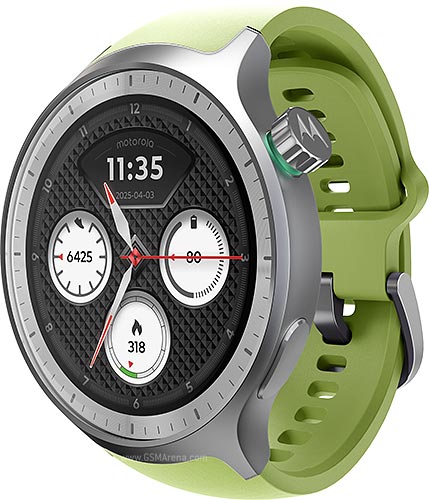
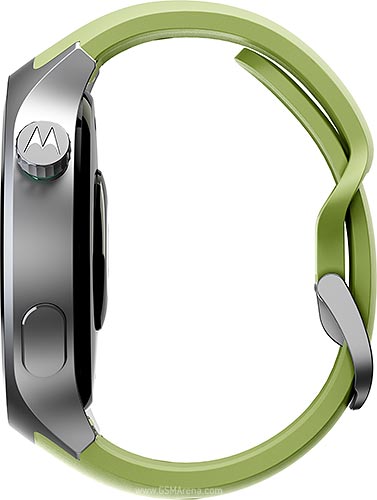
The physical dimensions of the Motorola Moto Watch are 47 x 47 x 12 mm (1.85 x 1.85 x 0.47 inches), making it a medium-sized smartwatch that should comfortably fit on most wrists. Weighing just 35 grams (1.23 oz), it is lightweight and designed for long-term wearability without causing fatigue or discomfort.
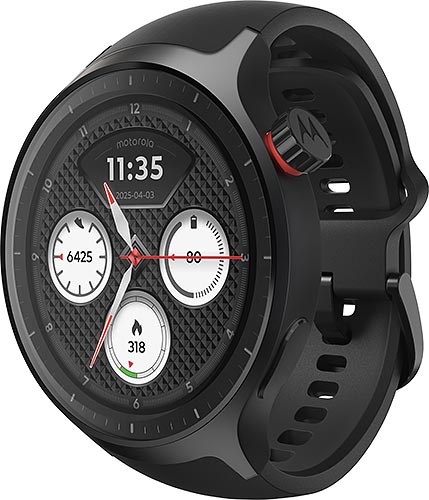
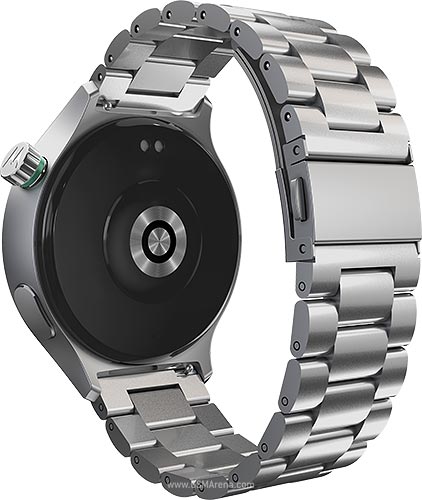
The watch is available in two distinct color options: Volcanic Ash and Silver. These colorways provide users with both a modern, understated option and a more traditional metallic look. The circular watch face design is complemented by a sharp edge-to-edge OLED display that enhances its premium feel.
Display
The Motorola Moto Watch features a 1.43-inch OLED display with a resolution of 464 x 464 pixels. This results in a pixel density of approximately 317 pixels per inch, ensuring crisp and vivid visuals. The use of OLED technology means deep blacks, high contrast ratios, and vibrant colors, making the display clear and readable even in direct sunlight.
The 1.43” size strikes a balance between being large enough for easy interaction and notifications visibility, while remaining compact for everyday usage. The circular shape is a classic choice that appeals to traditional watch wearers who prefer a familiar look.
Platform and Connectivity
The operating system and internal storage capacity for the Motorola Moto Watch have not been specified as of this writing. This leaves some uncertainty about software compatibility and app availability; however, it is expected to support mainstream smartwatch functionalities such as notifications, fitness tracking, and basic app support.
Notably, the device lacks cellular connectivity. It does not support 2G or higher cellular bands, nor does it provide the option for a SIM card. This means that the smartwatch relies entirely on a Bluetooth connection to a paired smartphone for calls, messages, and data-related functions.
Wireless communications include Bluetooth 5.3 with A2DP and Low Energy (LE) support. This ensures energy-efficient communication with smartphones and other compatible devices, facilitating smooth data transfer and low latency for notifications and music control.
Other wireless features such as Wi-Fi or USB connectivity are not included, indicating that data synchronization and charging might rely on proprietary methods or dedicated charging docks. NFC support is unspecified, so it's unclear if contactless payments or easy device pairing will be supported.
Sensors and Health Monitoring
A significant aspect of modern smartwatches is their suite of sensors, and the Motorola Moto Watch is equipped with an array of them. Key sensors include:
- Accelerometer: Measures movement and acceleration, essential for step counting and motion detection.
- Gyroscope: Tracks rotational motion, allowing for precise activity and gesture recognition.
- Heart Rate Sensor: Continuously monitors pulse rate, enabling heart health tracking and exercise intensity analysis.
- SpO2 Sensor: Measures blood oxygen saturation, a valuable metric for monitoring respiratory and overall health.
- Compass: Provides directional information, useful for navigation and outdoor activities.
Together, these sensors enable the Moto Watch to support a wide range of health and fitness tracking features such as step counting, sleep quality analysis, workout tracking, heart rate zones, and blood oxygen monitoring. The inclusion of a compass and GPS (discussed more below) also makes it geared toward outdoor enthusiasts.
GPS and Navigation
The Motorola Moto Watch incorporates an advanced GPS system using dual-band signals: L1 and L5. This dual-frequency GPS improves location accuracy in challenging environments such as urban areas or dense forests by reducing signal multipath errors and increasing positional precision.
With onboard GPS, users can rely on the smartwatch for tracking outdoor activities like running, cycling, and hiking without needing to carry a smartphone. The watch can log routes, pace, distances, and provide real-time navigation cues, greatly enhancing fitness training and adventure experiences.
Audio and Speaker
Unlike many smartwatches that omit loudspeaker functionality, the Motorola Moto Watch includes a built-in loudspeaker. While there is no 3.5mm audio jack, users can interact with audio alerts, listen to voice notifications, or potentially take calls through the watch’s speaker system.
The absence of a headphone jack means that any audio listening will require wireless Bluetooth headphones or earbuds. This aligns with modern trends toward wireless audio solutions.
Battery and Power
Specific details about the battery type, capacity, and estimated runtime for the Motorola Moto Watch have not been disclosed. This is an important consideration for potential buyers, as battery performance directly impacts convenience and reliability.
Typically, watches in this class with an OLED display and sensor suite offer anywhere from 1 to 3 days of normal usage on a single charge. Without cellular connectivity, power consumption may be more optimized, potentially extending battery life compared to smartwatches with constant LTE connections.
Charging methods and speeds have also not been specified, but proprietary or magnetic wireless charging is common among contemporary smartwatches, aiming to simplify the charging experience.
Storage and Memory
Storage capacity is currently unspecified for the Motorola Moto Watch; however, there is no card slot for expandable storage. This implies users will need to rely on the internal storage for all apps, music, and data.
While RAM details are also unspecified, suitable performance in everyday tasks will depend on a balanced combination of processor power and memory. The lack of cellular capability suggests the device might prioritize fitness and notification functionalities over expansive app ecosystems or media storage.
Software and User Experience
The operating system for the Motorola Moto Watch remains unspecified. This creates some ambiguity around the software experience and the range of supported apps. However, Motorola's prior history with Wear OS devices suggests the possibility of using a customized Android-based OS or a proprietary platform optimized for fitness and notifications.
Users can likely expect basic smartwatch features including:
- Notification syncing for calls, messages, and apps
- Fitness and health monitoring dashboards
- Music control and media playback features
- Customizable watch faces
- Basic app support for timers, alarms, and weather
The absence of Wi-Fi and cellular connectivity may limit some smart functionalities, meaning the smartwatch will function best when paired and connected to a smartphone.
Pricing and Availability
Announced on January 7, 2026, the Motorola Moto Watch is slated for release in February 2026. Although pricing details have not been made public yet, it is expected to be positioned in the mid-range smartwatch market segment, offering a compelling blend of features for its cost.
Buyers should watch for official announcements regarding retail availability and regional launches, which will clarify accessibility and support in different markets.
Summary
The Motorola Moto Watch introduces a promising option for consumers seeking a stylish, sensor-rich smartwatch without cellular network dependency. Its key highlights include a sharp 1.43-inch OLED display, precise dual-band GPS, extensive health sensors, Bluetooth 5.3 connectivity, and a lightweight, comfortable design.
While some important specifications such as operating system, battery life, and internal storage remain to be confirmed, the features known so far position the Moto Watch as an attractive companion for fitness enthusiasts and everyday smartwatch users alike. Its focus on core functionalities without cellular connectivity suggests a more affordable and energy-efficient device, potentially appealing to those who prefer simplicity without sacrificing performance.
Key Features of Motorola Moto Watch
- 1.43-inch OLED display with 464 x 464 pixels resolution (~317 ppi density) for sharp and vibrant visuals
- Lightweight design weighing only 35 g (1.23 oz) with compact dimensions of 47 x 47 x 12 mm
- Bluetooth 5.3 connectivity with A2DP and LE support for efficient wireless communication
- Built-in GPS with dual-frequency positioning (L1 + L5) for accurate location tracking
- Multiple sensors including accelerometer, gyroscope, heart rate monitor, SpO2 sensor, and compass
- Integrated loudspeaker for audio output without the need for headphones
- Available in stylish colors: Volcanic Ash and Silver
- No cellular connectivity supports extended battery life and simpler design
Motorola Moto Watch - Key Drawbacks
- No cellular connectivity (no 2G/3G/4G support)
- Lack of SIM card support
- No Wi-Fi (WLAN) available
- Operating system not specified, which may affect app compatibility and updates
- Internal storage capacity is unspecified
- No expandable memory (no card slot)
- No radio feature included
- No 3.5mm headphone jack
- No USB or any other charging/data port specified
- NFC support is unspecified, which may limit contactless payment options
- Battery type and capacity details are missing, making it difficult to assess battery life
- Relatively bulky size and thickness (47 x 47 x 12 mm), which might feel large on smaller wrists
View Also
More Phones




All Rights Reserved +14306 Phones © Mobilawy 2026