












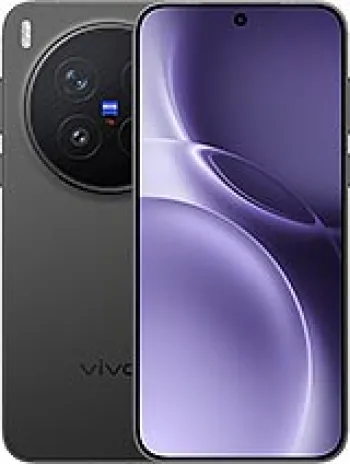
Design and Build Quality
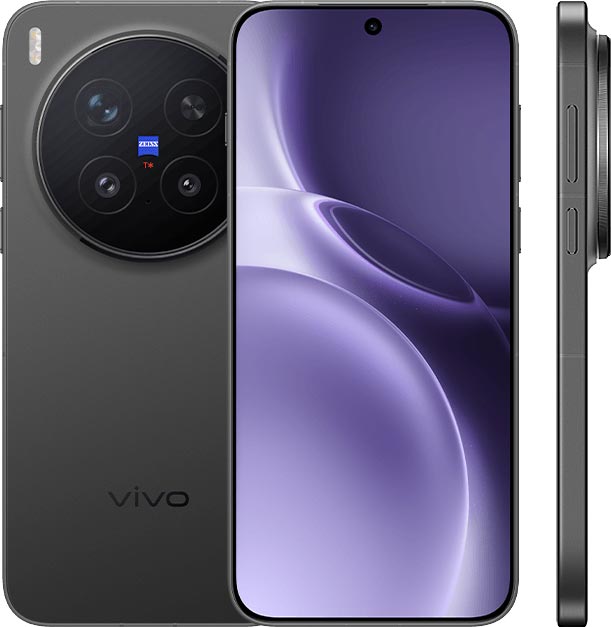
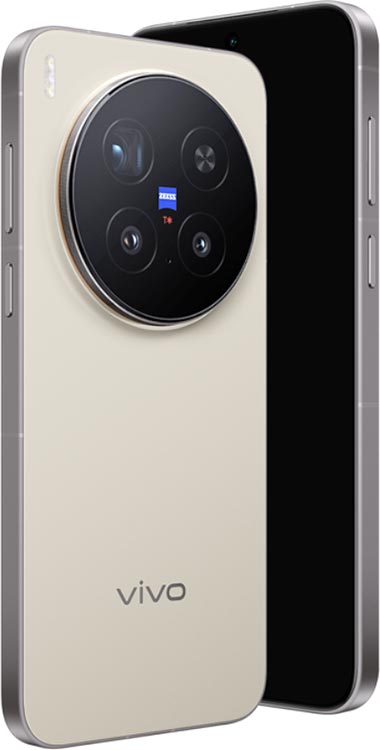
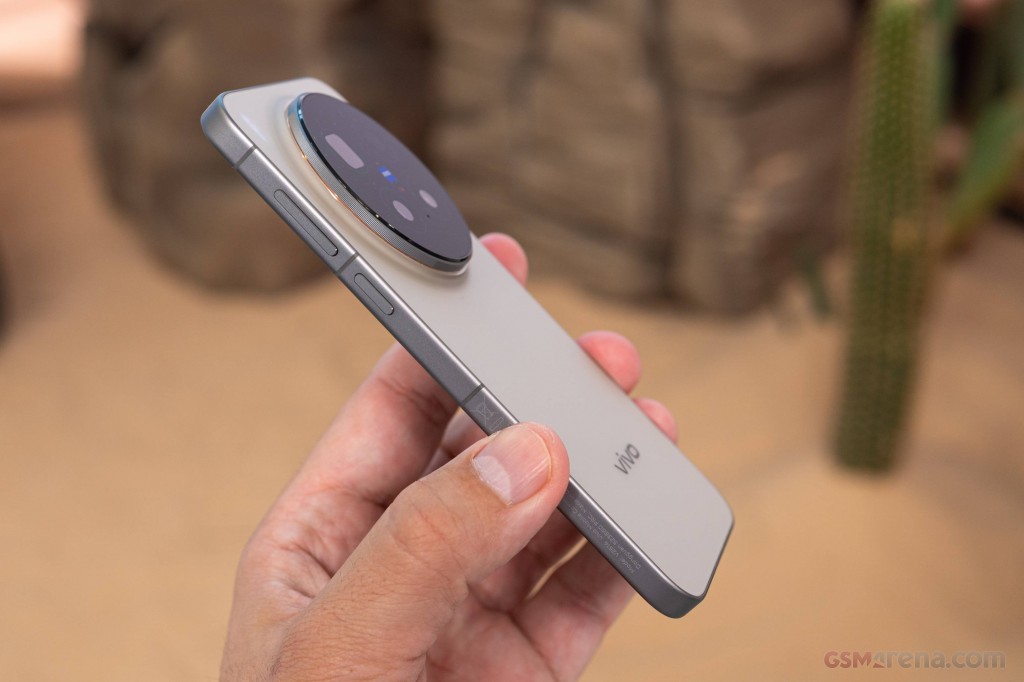
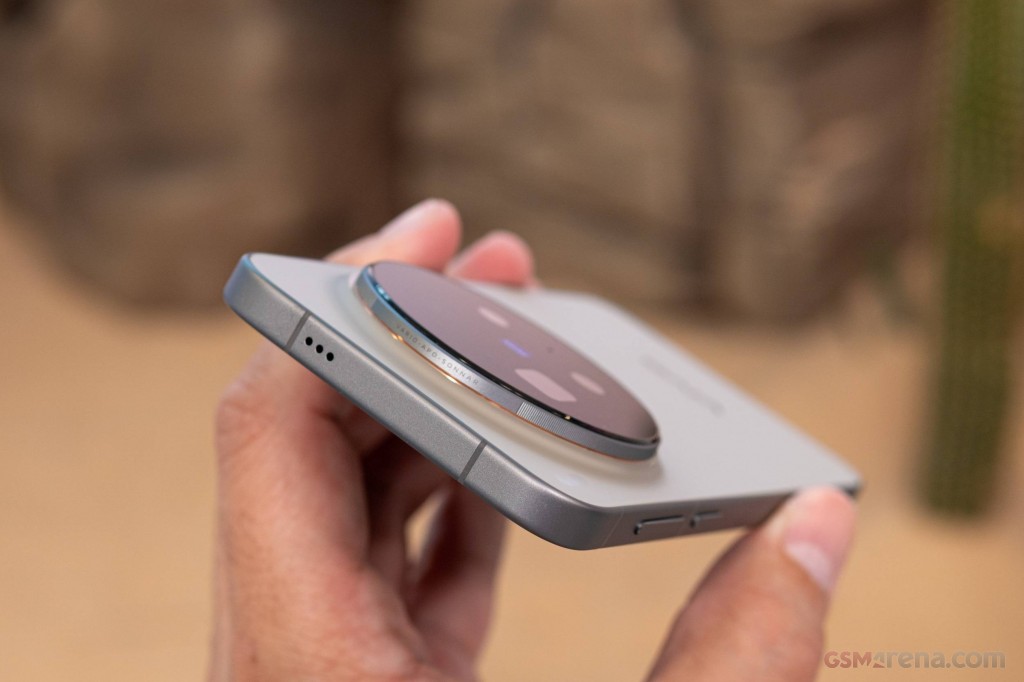
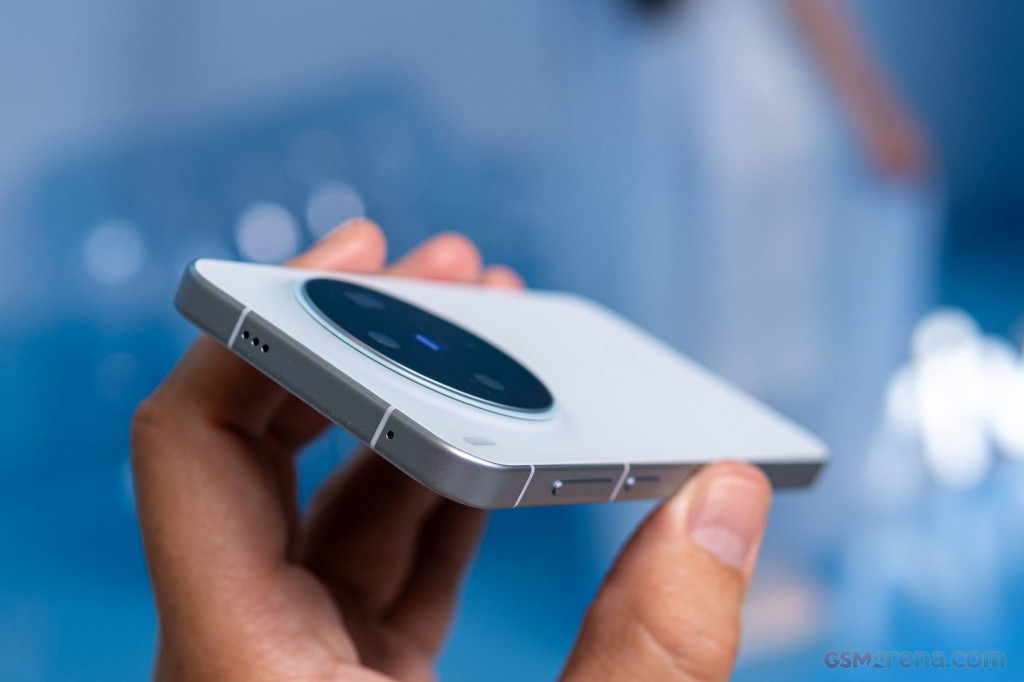
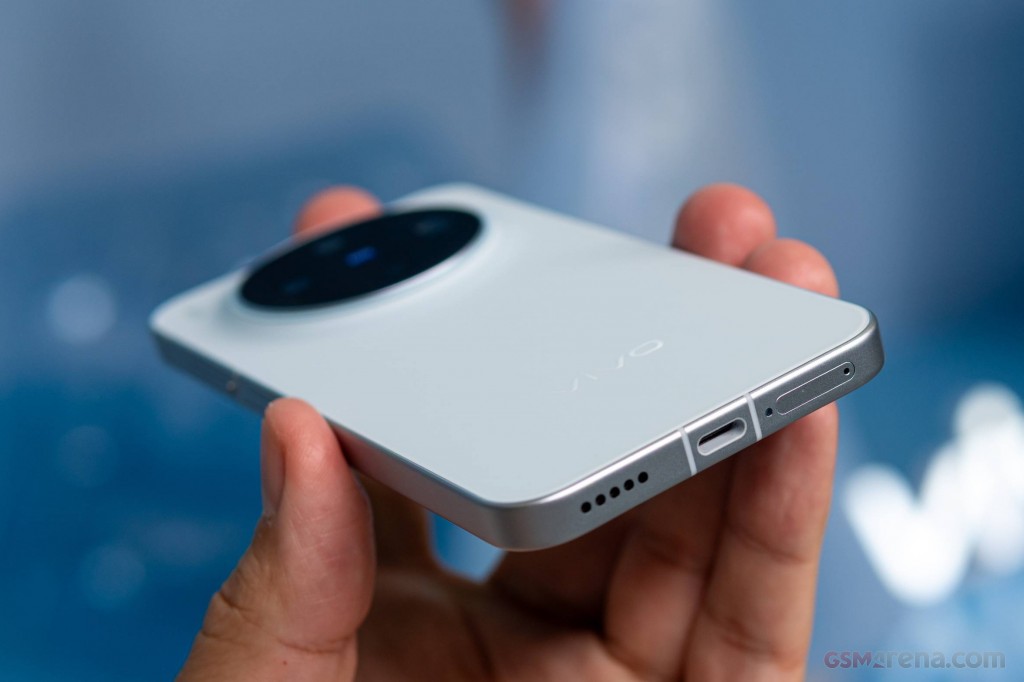
The Vivo X300 Pro stands out with a premium design philosophy combining glass and aluminum for durability and elegance. The phone measures 161.2 x 75.5 x 8 mm, making it sleek and manageable in one hand despite its large screen size. Weighing 226 grams, it has a substantial but not cumbersome feel.
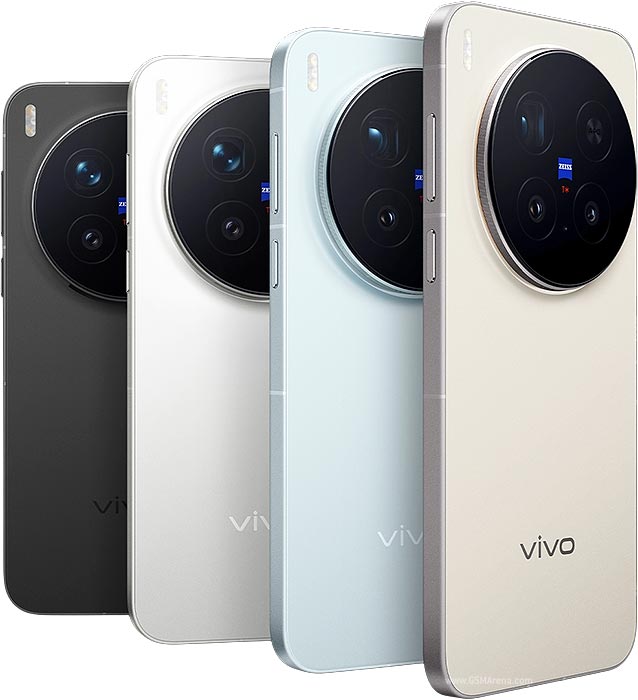
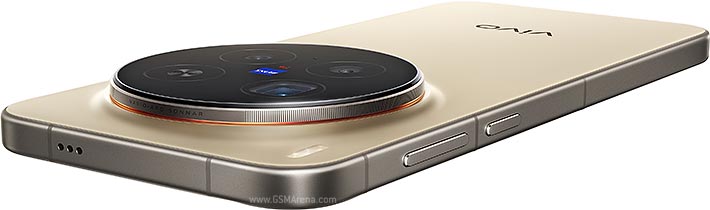
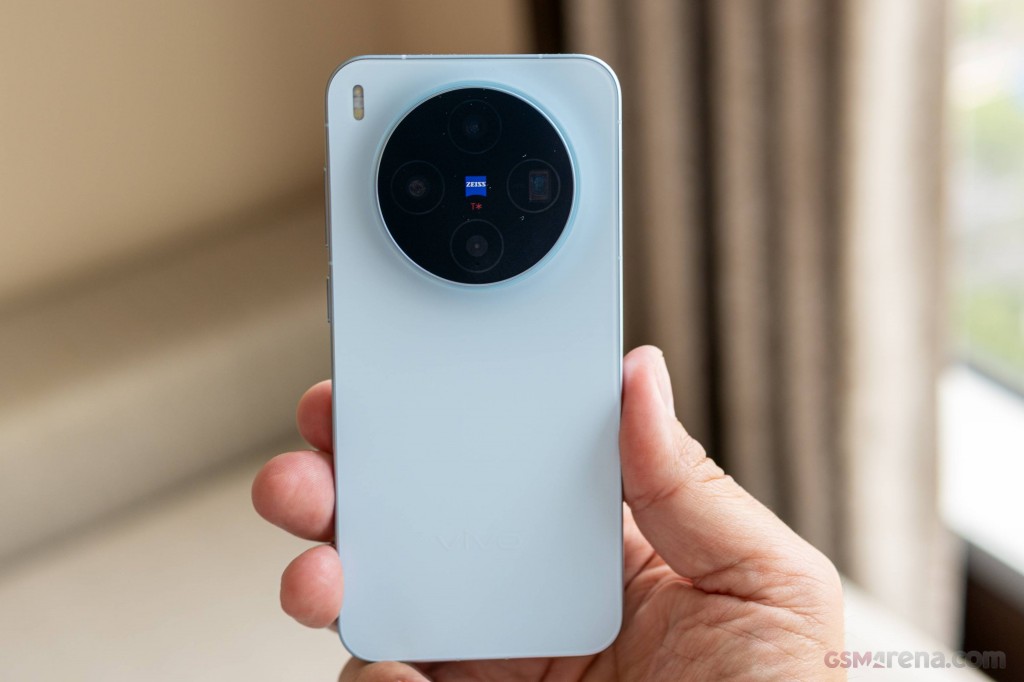
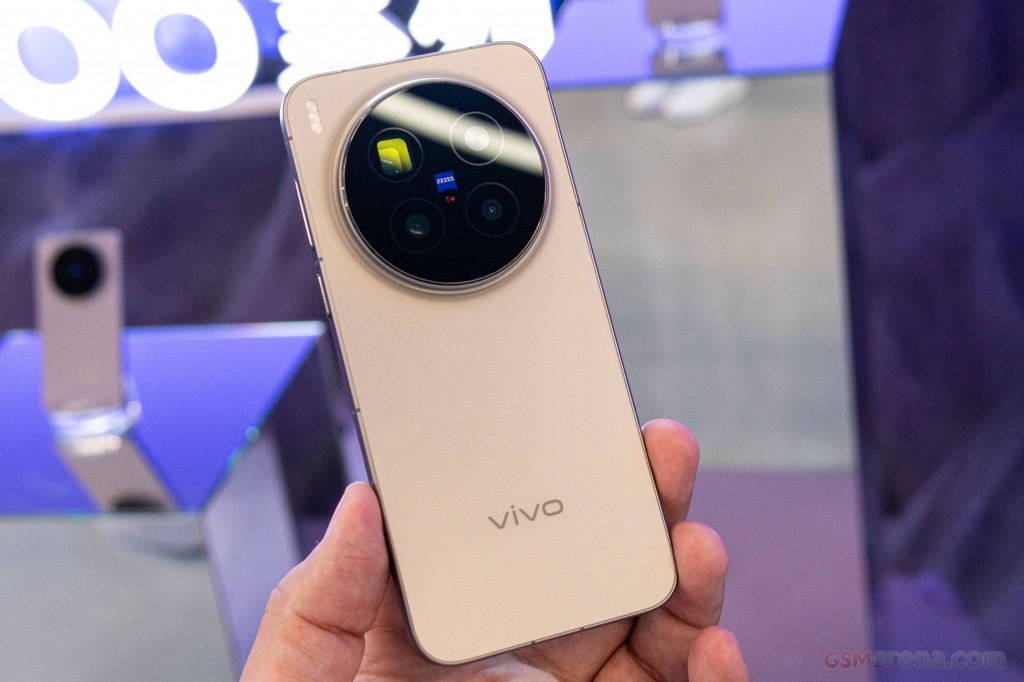
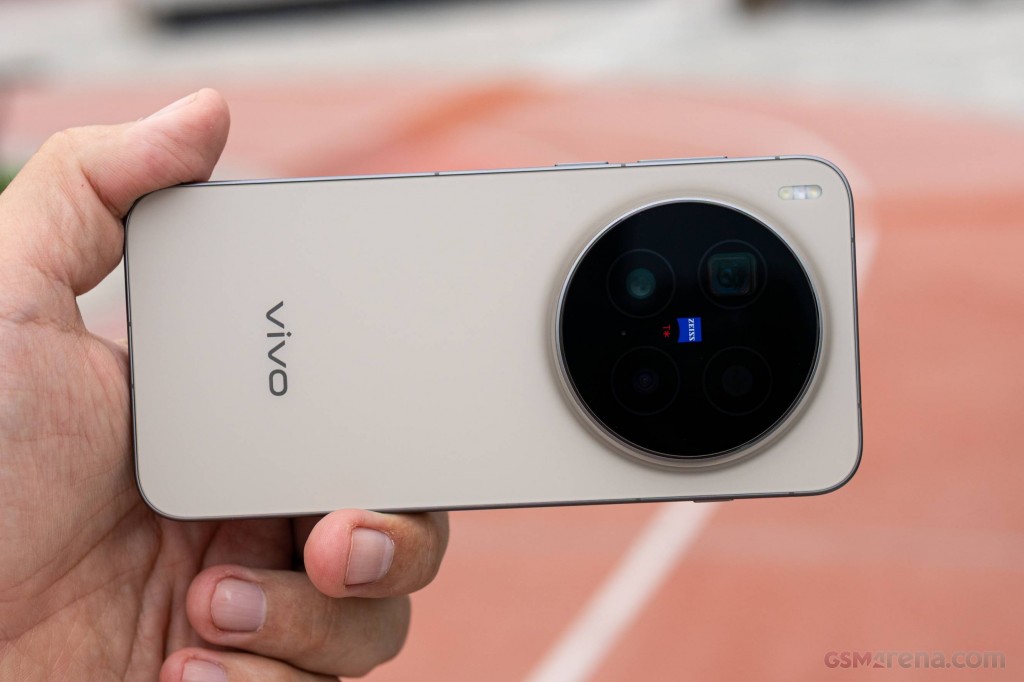
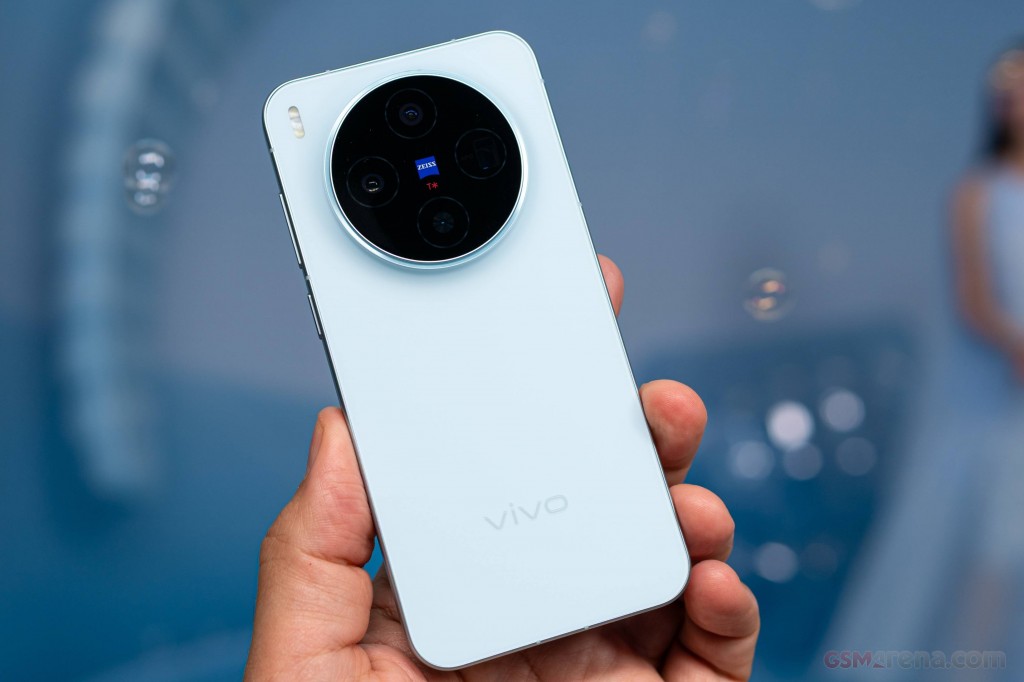
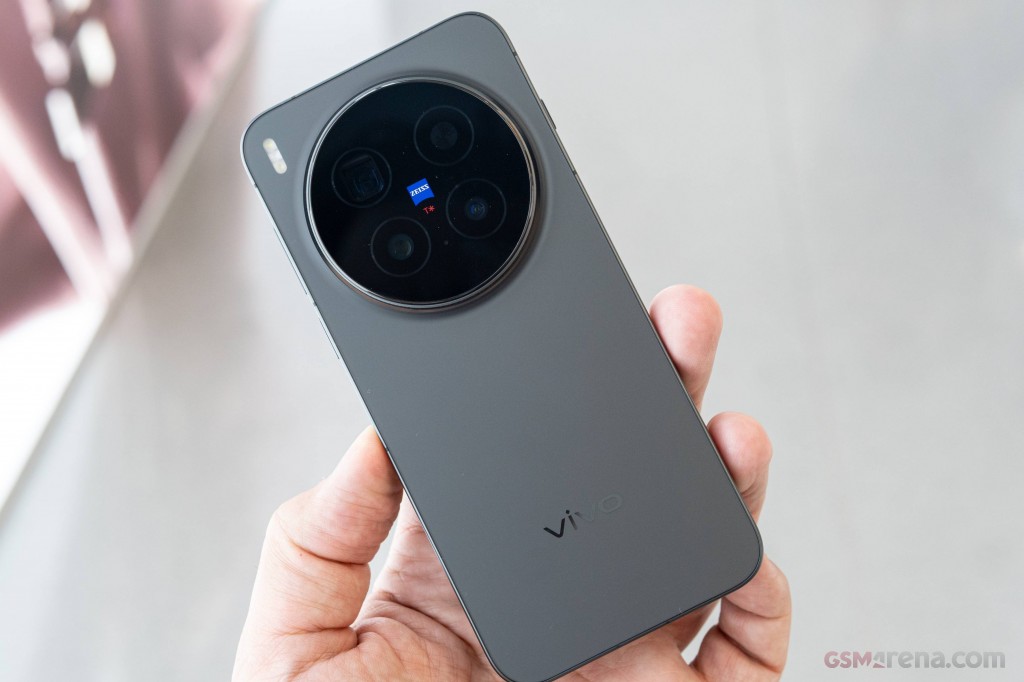
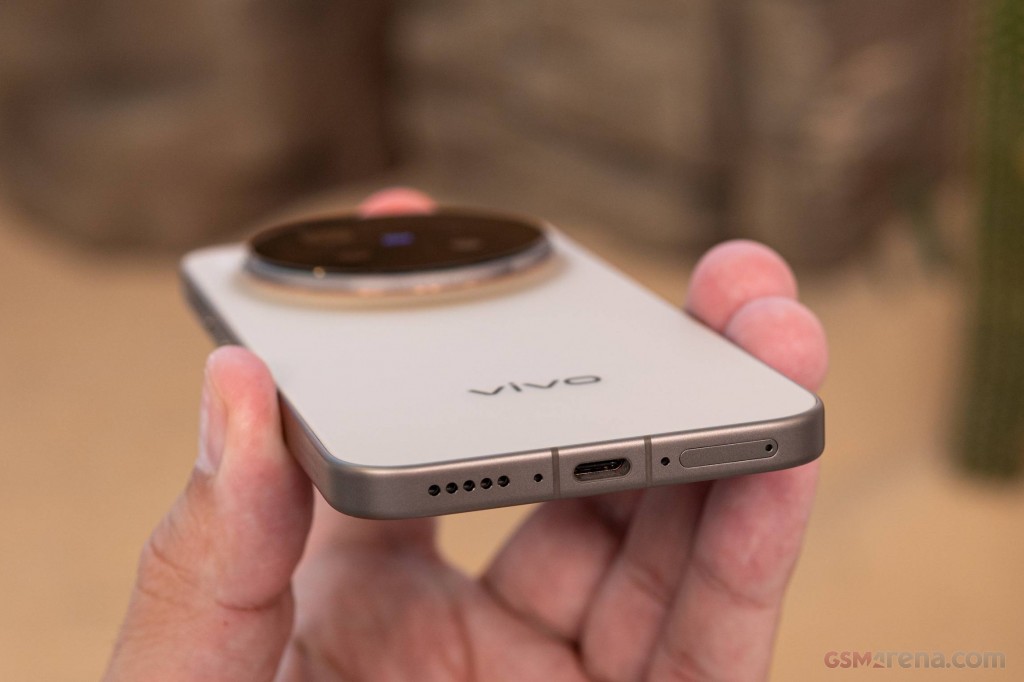
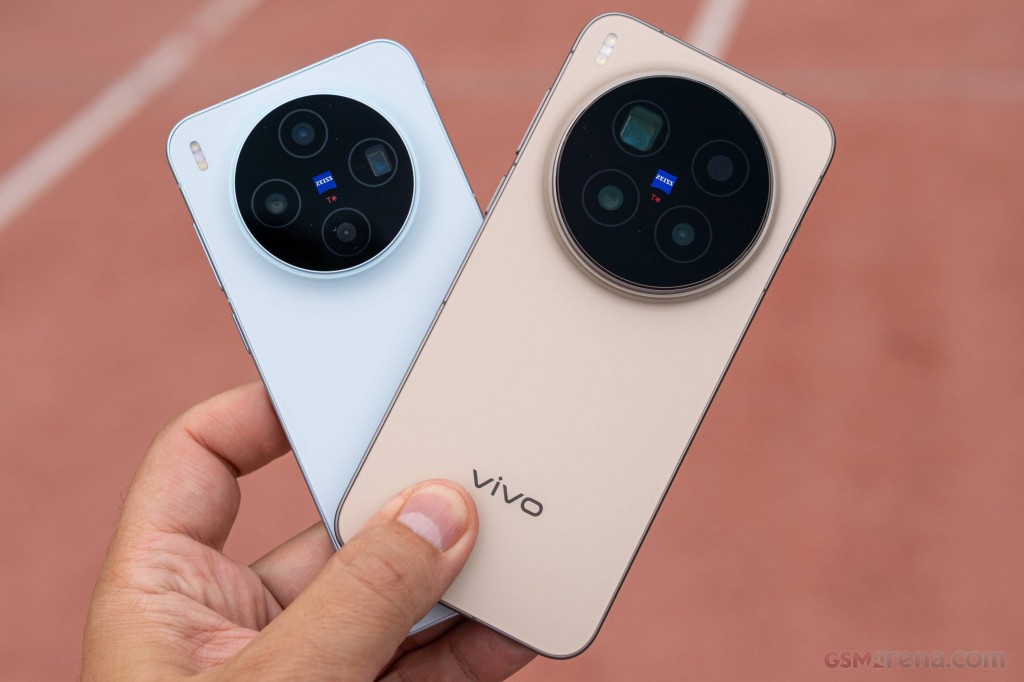
The device features a glass front and back, with an aluminum alloy frame conferring rigidity and a high-quality tactile experience. The build quality supports scratch and drop resistance with a Mohs level 4 rating on its glass, offering good protection against everyday wear. The color options available include Black, Blue, White, and Brown, catering to varied style preferences.
It supports dual Nano-SIM and eSIM for international models, allowing users to have up to two active SIMs simultaneously, which is ideal for business users or frequent travelers.
Display
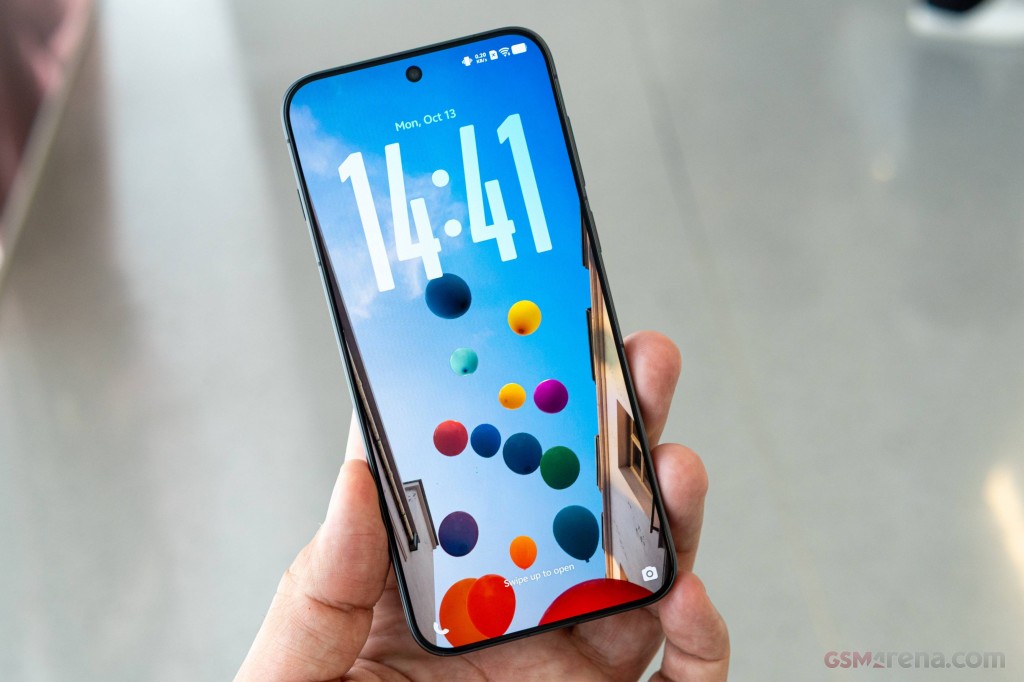
The Vivo X300 Pro features a stunning 6.78-inch LTPO AMOLED display with 1 billion colors, which makes for deep blacks, vibrant colors, and excellent contrast. The resolution stands at 1260 x 2800 pixels with a 20:9 aspect ratio, delivering a sharp pixel density of approximately 452 pixels per inch.
One of the standout features of the display is its 120Hz refresh rate, allowing for silky smooth scrolling and animations. Additionally, it employs a 2160Hz PWM dimming frequency, which helps reduce eye strain in low brightness conditions.
For visual enhancement, it supports HDR10+, Dolby Vision, and HDR Vivid technology as well as peak brightness of up to 4500 nits — excellent for outdoor visibility under direct sunlight. The screen-to-body ratio is notably high at around 91.6%, providing an immersive viewing experience.
Performance and Hardware
Under the hood, the Vivo X300 Pro is powered by the MediaTek Dimensity 9500 chipset, manufactured with an advanced 3nm process. This chipset features an octa-core CPU configuration consisting of 1 Cortex-X3 ultra core clocked at 4.21 GHz, 3 Cortex-A715 cores at 3.5 GHz, and 4 Cortex-A510 cores at 2.7 GHz, maximizing both speed and power efficiency.
The GPU is the Arm G1-Ultra, designed to handle advanced gaming and graphics-intensive applications with ease. This combination ensures top-tier flagship performance whether you are multitasking, gaming, or editing media.
Memory options are versatile, offering 12GB RAM with 256GB storage, 16GB RAM variants with either 512GB or 1TB storage. However, note that there is no microSD card slot for expandable storage, so users should select storage capacity wisely.
Camera System
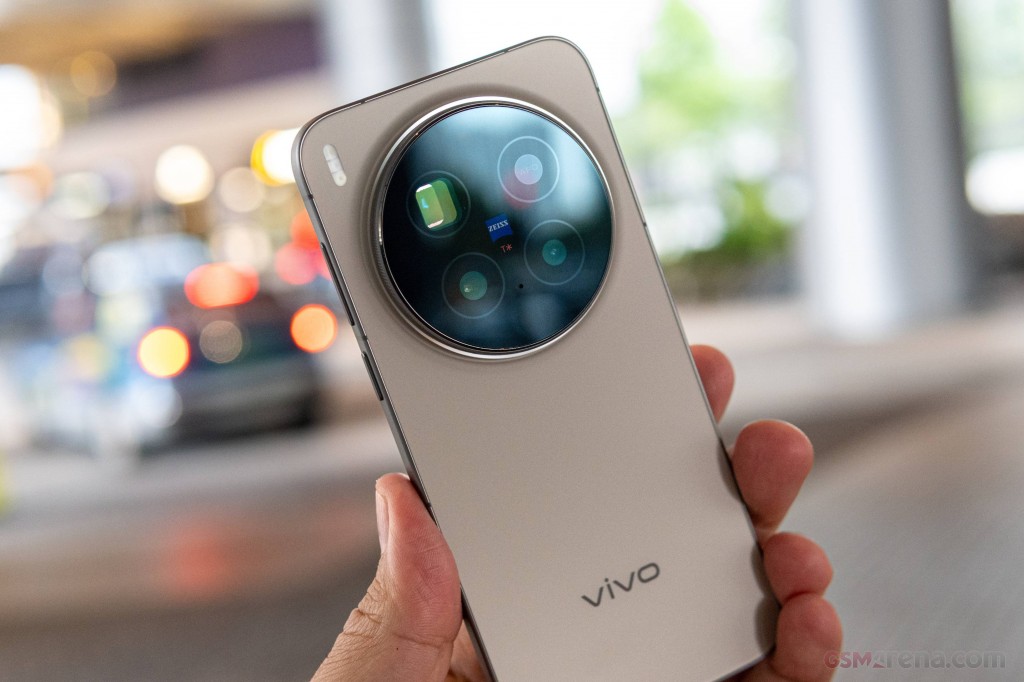
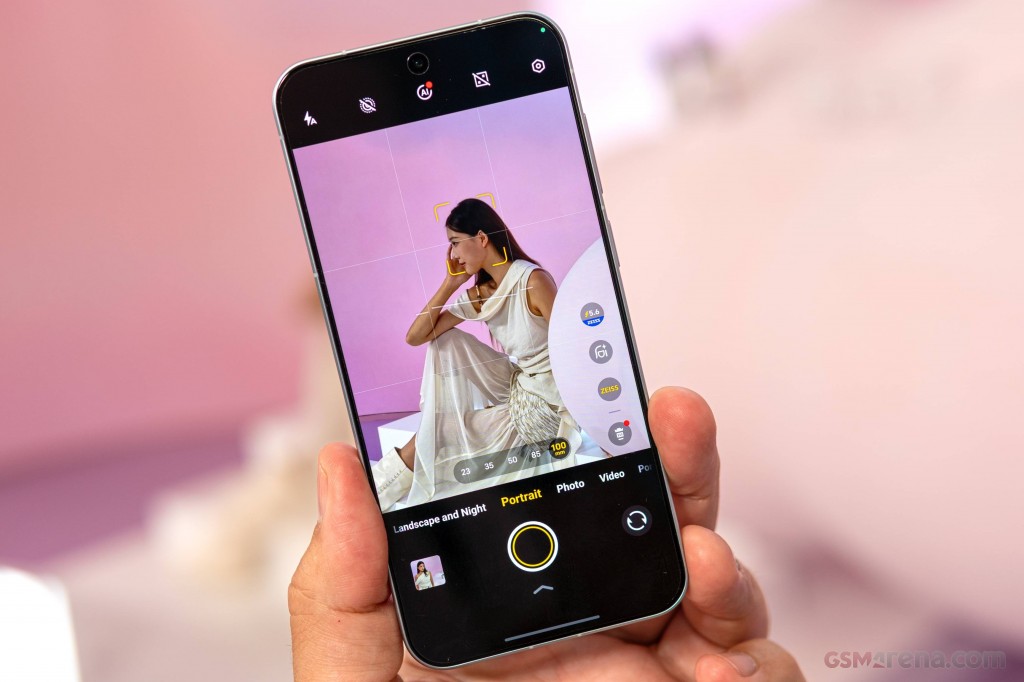
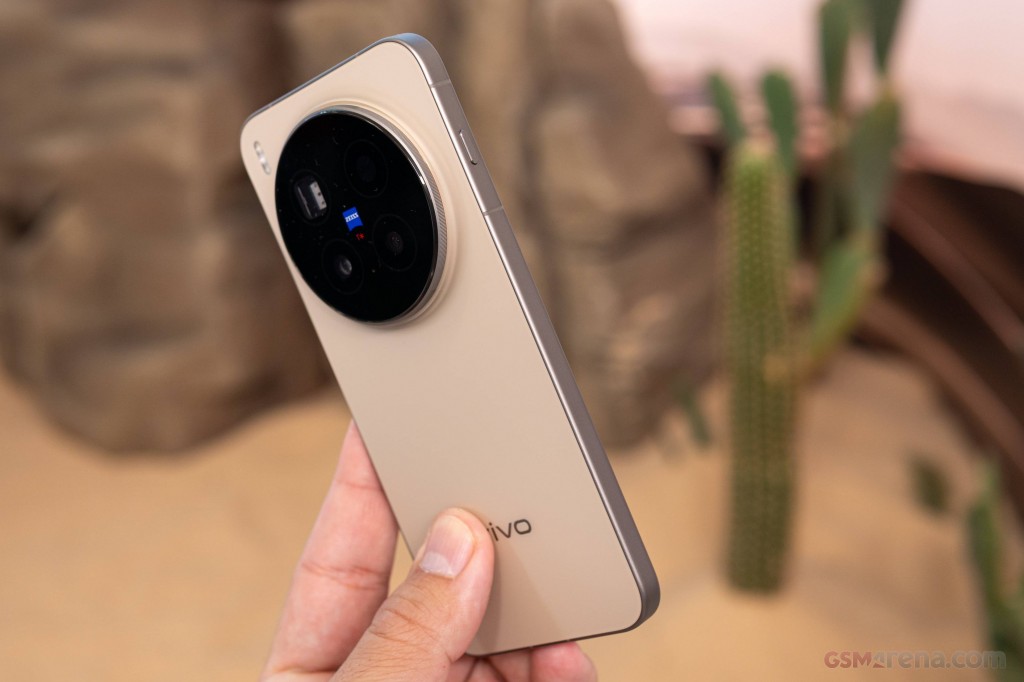
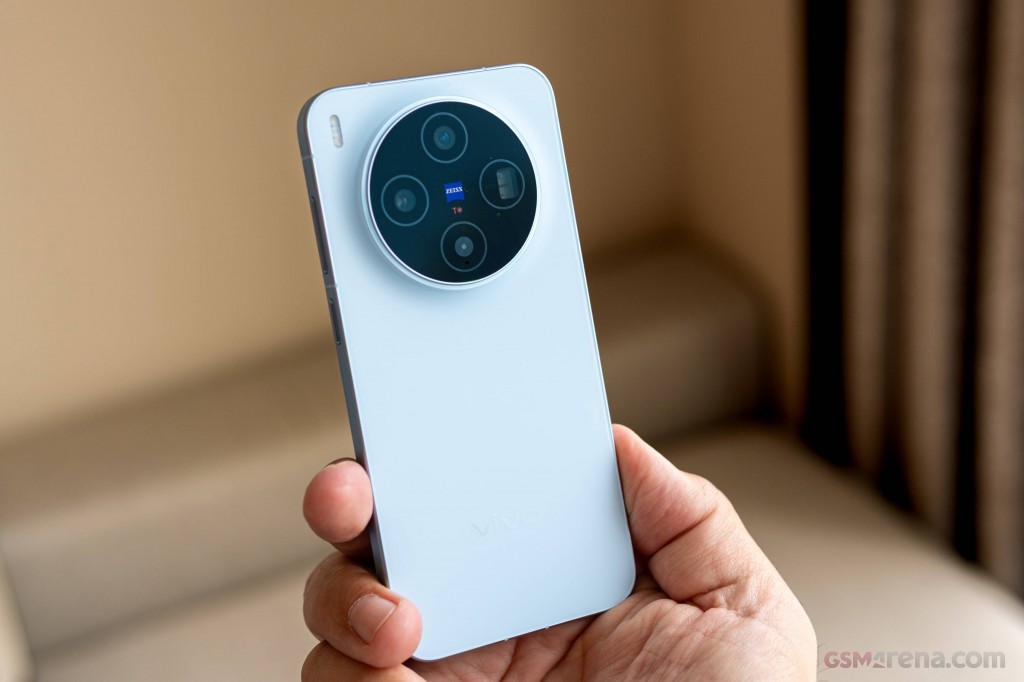
The Vivo X300 Pro boasts a sophisticated triple-camera setup which can satisfy both photography enthusiasts and content creators:
- 50MP Main Wide Camera: Equipped with an f/1.6 aperture and a large 1/1.28” sensor capturing light efficiently. It supports PDAF and optical image stabilization (OIS) for sharp and steady shots.
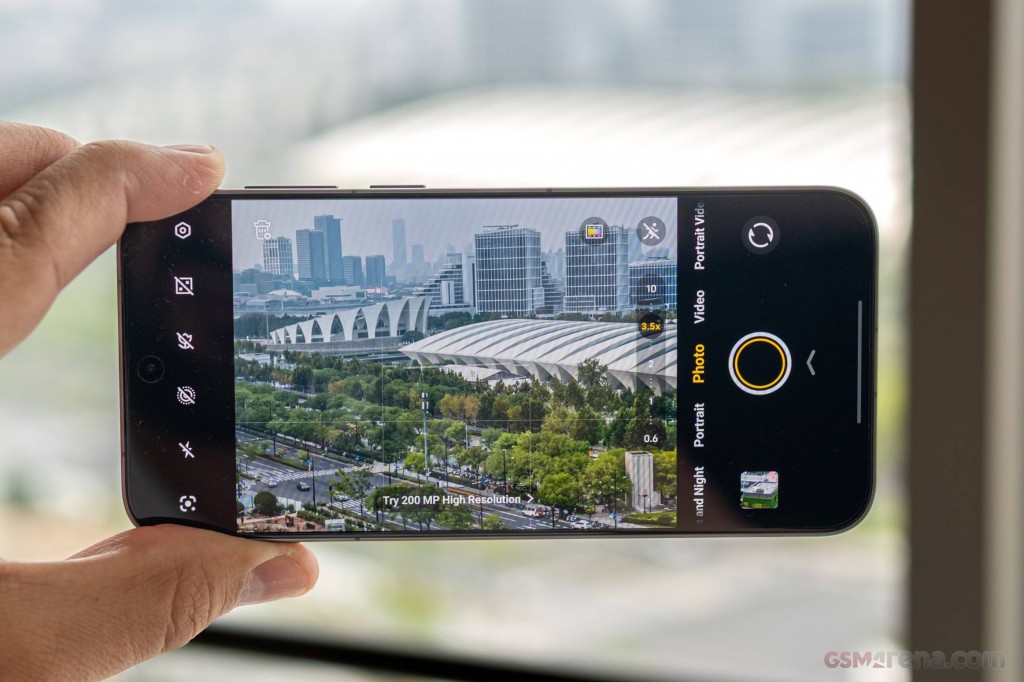
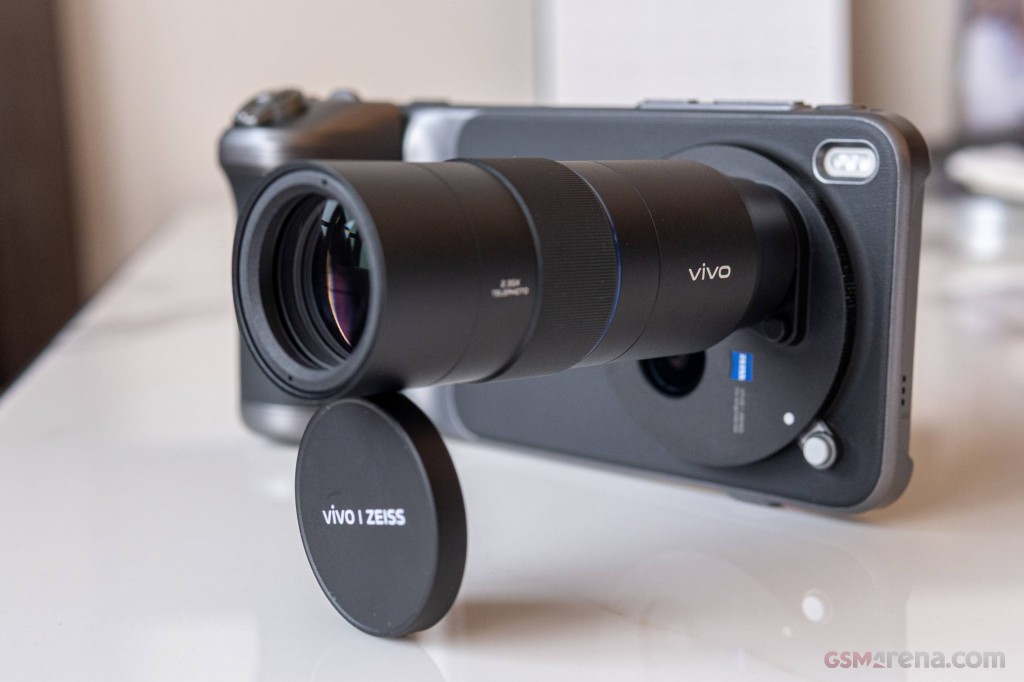
- 200MP Periscope Telephoto Camera: This is the highlight lens of the device offering a remarkable 3.7x optical zoom, f/2.7 aperture, and multi-directional PDAF plus OIS. The sensor measures 1/1.4”, enabling detailed zoomed-in shots and impressive macro capability.
- 50MP Ultrawide Camera: Providing a 119° field of view at f/2.0 aperture, ideal for capturing expansive landscapes or group photos. It features autofocus to enhance close-up shots as well.
Additional camera features include Laser autofocus, a color spectrum sensor, Zeiss optics with T* lens coating, and an LED flash for low-light photography. The software supports panorama, HDR, and the ability to import 3D LUTs for advanced color grading.
Video capabilities are professional-grade, including 8K recording at 30fps, various 4K modes up to 120fps, and slow-motion options with 1080p captured at up to 240fps. Gyro-based electronic image stabilization (gyro-EIS) helps reduce shake and jitter during filming. Dolby Vision HDR and 10-bit Log profiles are supported within 4K video modes for high dynamic range and color accuracy.
Front Camera
On the front, the Vivo X300 Pro has a powerful 50MP wide selfie camera with f/2.0 aperture and autofocus functionality. The front-facing camera supports HDR and shoots video in 4K resolution at 30 to 60fps, as well as Full HD 1080p at 30 to 60fps, catering to vloggers and selfie aficionados who demand high quality.
Battery and Charging
Powering the Vivo X300 Pro is a robust 6510 mAh silicon/carbon composite lithium-ion battery that promises extended periods of usage on a single charge. In terms of endurance, the device reportedly offers over 48 hours of mixed usage and supports up to 1200 full charge cycles, positioning it as a long-lasting companion.
Charging speeds are impressive with 90W wired charging, allowing rapid recharging in a short period. Additionally, the Vivo X300 Pro supports 40W wireless charging as well as reverse wireless and reverse wired charging, enabling it to serve as a power bank to charge other compatible devices.
Software and Operating System
The phone runs the latest Android 16 operating system out of the box, layered with Vivo’s custom OriginOS 6 interface, which brings a modern, smooth, and feature-rich user experience. Vivo promises up to 4 major Android upgrades, meaning the X300 Pro will stay current with software updates and security patches for years.
OriginOS 6 introduces enhanced multitasking, customization options, and system optimizations tailored to the powerful hardware of the device. Overall, users get a clean and fluid interface with added conveniences and improved performance.
Connectivity and Network Support
Network technologies supported by the Vivo X300 Pro cover the full modern spectrum:
- 2G: GSM 850/900/1800/1900 MHz bands
- 3G: Comprehensive HSPA support including bands 800/850/900/1700(AWS)/1900/2100 MHz (China specific)
- 4G LTE: Broad band support including band 1, 2, 3, 4, 5, 7, 8, 18-20, 25-26, 28, 34, 38-42, 43, 48, 66
- 5G: Extensive Sub6 5G with support for bands 1,2,3,5,7 etc. including standalone (SA) and non-standalone (NSA) modes — ensuring future-proof connectivity at blazing speeds
Wireless connectivity options include Wi-Fi 802.11 a/b/g/n/ac/6/7 (dual-band), Bluetooth 5.4 with advanced codecs (aptX HD, LHDC 5) for high-fidelity audio streaming, NFC for contactless payments, and a USB Type-C 3.2 port supporting OTG functionality.
The Vivo X300 Pro also features an infrared port, allowing it to function as a universal remote control for compatible electronics. However, there is no FM radio support.
Audio and Sensors
Audio output comes from stereo loudspeakers, delivering clear and loud sound suitable for media consumption and hands-free calls. Unfortunately, Vivo X300 Pro does not include a 3.5mm headphone jack, so wired headphones require an adapter.
The device houses multiple sensors to elevate usability and security:
- Ultrasonic under-display fingerprint scanner for secure biometric authentication
- Accelerometer, gyro, proximity sensor, and compass for enhanced motion detection and navigation
Durability and Repairability
The Vivo X300 Pro has been tested rigorously to meet EU standards for durability. The free fall protection achieves Class B rating, capable of surviving up to 180 drops without critical damage. Its battery is also rated Class B with an endurance of 48+ hours on a full charge and engineered to last through approximately 1200 charging cycles.
Repairability is classified as Class C, implying moderate difficulty in maintenance and parts replacement, requiring professional servicing in most cases.
Pricing and Availability
Announced on October 13, 2025, the Vivo X300 Pro is expected to be released shortly on October 17, 2025. Pricing starts at approximately 640 EUR depending on the variant selected.
Considering the advanced hardware, flagship-level camera system, robust battery, and premium build, it offers compelling value for those seeking a high-performance Android device with future-proof connectivity and a rich multimedia experience.
Key Features of vivo X300 Pro
- Supports GSM, HSPA, LTE, and 5G networks for fast connectivity
- Stunning 6.78-inch LTPO AMOLED display with 1 billion colors, 120Hz refresh rate, HDR10+, Dolby Vision, and peak brightness of 4500 nits
- High resolution of 1260 x 2800 pixels with an immersive 20:9 aspect ratio and scratch/drop-resistant glass (Mohs level 4)
- Powered by Mediatek Dimensity 9500 (3 nm) chipset with an octa-core CPU and Arm G1-Ultra GPU for excellent performance
- Runs Android 16 with OriginOS 6 and promises up to 4 major Android upgrades
- Large internal memory options up to 1TB with up to 16GB RAM (no expandable storage)
- Advanced triple rear camera system:
- 50 MP wide with OIS and PDAF
- 200 MP periscope telephoto with 3.7x optical zoom, OIS, macro capability
- 50 MP ultrawide with autofocus
- Camera features include Laser AF, Zeiss optics with T* lens coating, LED flash, panorama, HDR, and 8K video recording at 30fps
- 50 MP front-facing camera with autofocus and 4K video recording up to 60fps
- Robust 6510 mAh battery with 90W wired fast charging, 40W wireless charging, and reverse wired/wireless charging support
- Premium build with glass front and back, aluminum alloy frame, and slim dimensions (8 mm thickness)
- Dual SIM support plus eSIM (international models), stereo speakers for immersive audio
- Connectivity includes Wi-Fi 6/7, Bluetooth 5.4 with aptX HD, NFC, infrared port, USB Type-C 3.2 with OTG
- Under-display ultrasonic fingerprint sensor and comprehensive sensor array (accelerometer, gyro, proximity, compass)
- Durable design with good drop resistance (Class B, 180 falls) and energy efficiency (Class B)
vivo X300 Pro - Key Drawbacks
- Relatively heavy at 226 grams, which may affect one-handed use and comfort during prolonged usage.
- No microSD card slot, limiting expandable storage options despite high internal storage variants.
- Lacks a 3.5mm headphone jack, requiring use of adapters or wireless headphones for audio.
- Display protection rated only at Mohs level 4, which provides limited scratch resistance compared to competitors.
- Repairability rated as Class C, indicating potentially higher difficulty and cost for repairs.
- No FM radio support included.
- Price is relatively high (~640 EUR), which might be a consideration against other flagship alternatives.








View Also
More Phones



All Rights Reserved +14300 Phones © Mobilawy 2025