












Price and specifications of Oppo Pad 5 advantages, disadvantages, and a comprehensive explanation
Design and Build Quality
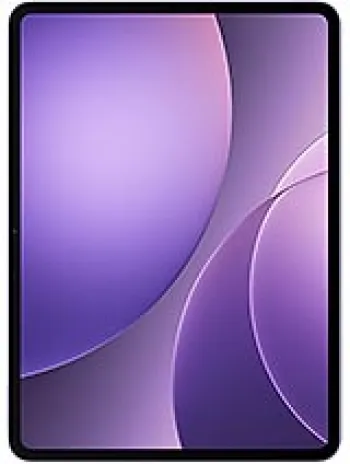
The Oppo Pad 5 boasts a sleek and modern design, emphasizing slimness and lightness for a tablet of its size. Measuring 266.9 x 193.4 x 6 mm (10.51 x 7.61 x 0.24 inches) and weighing between 577 and 579 grams (approximately 1.27 pounds), it positions itself as one of the thinner and lighter 12-inch class tablets on the market. Its slim profile enhances portability, while the weight remains comfortable enough for extended use without causing fatigue.
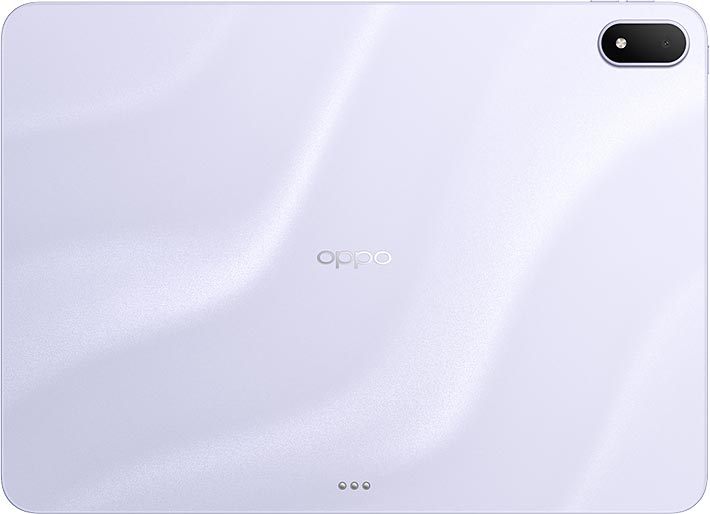
The tablet’s body is crafted from a premium material blend that gives a solid, durable feel while maintaining elegance. Oppo offers the device in a variety of colors including Silver, Gray, and Purple, catering to both professional users and those who want a bit of personality in their device. Its unibody design integrates the display and rear seamlessly, resulting in minimal bezels and an impressive screen-to-body ratio of approximately 86.2%, giving users more screen real estate.
Display
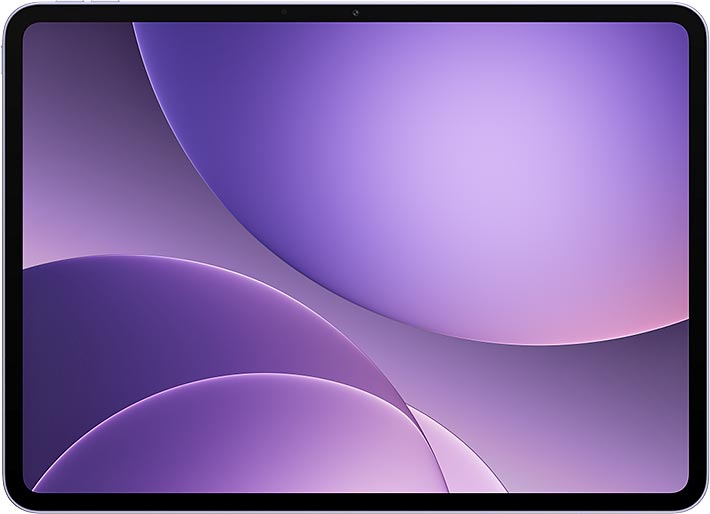
One of the Oppo Pad 5’s standout features is its large 12.1-inch IPS LCD display offering 1 billion colors, delivering vibrant and accurate color reproduction, suitable both for entertainment and productivity. With a resolution of 2120 x 3000 pixels, the display offers around 304 pixels per inch (ppi), ensuring sharp text, detailed images, and a pleasing viewing experience for everything from reading to streaming video.
The panel supports a high refresh rate of 144Hz, which results in exceptionally smooth animations and responsiveness—particularly beneficial for gaming and scrolling through content. Brightness levels are competitive, with 600 nits typical brightness and peak brightness (HBM) reaching 900 nits, making the device usable comfortably even under strong direct light.
Performance and Hardware
At the heart of the Oppo Pad 5 lies the powerful Mediatek Dimensity 9400+ chipset, built on an advanced 3nm process technology. This octa-core processor contains a multi-cluster setup: 1x Cortex-X925 clocked at 3.63 GHz, 3x Cortex-X4 cores at 3.3 GHz, and 4x Cortex-A720 cores at 2.4 GHz. This configuration ensures high performance in demanding apps, efficient multitasking, and good power efficiency.
Accompanying the CPU is the Immortalis-G925 GPU, which offers robust graphics performance capable of handling graphically-intensive games and smooth video playback. Whether for gaming, creative work, or general multimedia use, this tablet is well-equipped to deliver a fluid experience.
Memory options vary to suit different user needs, with available RAM at 8GB, 12GB, and up to 16GB for the model featuring 512GB storage. Internal storage choices include 128GB, 256GB (offered with both 8GB and 12GB RAM variants), and 512GB for those who require ample space for apps, media, and documents. However, there is no microSD card slot, which means users should carefully select their storage configuration upfront.
Software and User Interface
The Oppo Pad 5 runs the latest Android 16 operating system, enhanced by Oppo’s proprietary ColorOS 16 skin designed specifically for tablets. This customization brings a refined interface with an emphasis on ease of use, productivity, and aesthetic appeal.
ColorOS 16 supports advanced multitasking capabilities such as split-screen, floating windows, and optimized navigation gestures tailored for large displays. Oppo has also improved system animations, app launch times, and overall responsiveness, ensuring users enjoy seamless interaction with content whether they are working, gaming, or browsing.
The device is optimized for software updates and security patches, maintaining system integrity and an up-to-date user experience. Furthermore, Oppo includes several built-in features such as dark mode, battery-saving profiles, and customization options that enable users to tailor the tablet to their preferences.
Camera System
The Oppo Pad 5 is equipped with a straightforward camera setup that suits typical tablet use cases such as video calls, scanning documents, and casual photography. The rear sports a single 8 MP camera with features that include a color spectrum sensor and an LED flash, which aid in capturing better color accuracy and improved lighting in low-light environments.
Despite the modest megapixel count, the rear camera offers solid video capabilities with support for 4K video recording at 30 frames per second as well as 1080p video at 30fps paired with gyro-EIS (electronic image stabilization), helping to reduce blur and shake during video capture.
The front-facing camera is also an 8 MP sensor, primarily aimed at video conferencing and selfies. It can record full HD 1080p video at 30fps, ensuring clear and smooth video calls on platforms like Zoom, Microsoft Teams, and Google Meet. Although it does not rival flagship smartphone front cameras, it is more than adequate for its intended tablet use.
Battery and Charging
A remarkable feature of the Oppo Pad 5 is its large 10,420mAh battery, offering substantial endurance for extended use through workdays or media consumption marathons. This capacity is above average compared to many tablets in this class, promising multiple hours of screen-on time, even with the high refresh rate display.
Charging support is comprehensive and fast. The device supports 67W wired charging, including 67W UFCS (Ultra-Fast Charge System), which allows rapid replenishing of the battery. Additionally, the tablet supports 55W PPS (Programmable Power Supply) and 18W PD (Power Delivery), making it versatile in terms of compatible chargers and fast charging standards.
This fast charging capability means the Oppo Pad 5 can be recharged quickly, reducing downtime and making it suitable for users who need to remain productive on the go. However, note that wireless charging is not supported, keeping the focus on wired charging solutions in this iteration.
Connectivity and Network
The Oppo Pad 5 is designed primarily as a Wi-Fi-only tablet, lacking cellular connectivity. This means no support for 2G, 3G, or 4G network bands, and consequently no SIM card slot. It supports comprehensive WLAN connectivity including Wi-Fi 802.11 a/b/g/n/ac/6/7 on dual-band frequencies, ensuring fast and stable internet connections when within range of compatible networks.
Bluetooth 5.4 is featured, with support for A2DP, LE, aptX HD, and LHDC 5 codec for high-quality wireless audio streaming. The tablet also includes USB Type-C 3.2 port with OTG and accessory connector functionality, allowing connection of external peripherals like external drives, keyboards, and mice.
However, the device does not come with NFC support, which limits contactless transactions and pairing with compatible accessories. Additionally, no FM radio or GPS positioning is included, positioning the Oppo Pad 5 primarily as a home or office Wi-Fi device rather than an all-around portable communication and navigation solution.
Audio
The Oppo Pad 5 takes audio performance seriously by incorporating four stereo speakers arranged to deliver immersive sound. This quad-speaker setup enhances media consumption, providing clear dialogue, rich bass, and balanced highs, which is ideal for watching movies, listening to music, or gaming without the need for external speakers.
Notably, the tablet lacks a traditional 3.5mm headphone jack, a trend common in many modern devices. Users will need to rely on USB Type-C headphones or wireless Bluetooth audio devices. Given the Bluetooth aptX HD and LHDC 5 codec support, wireless audio quality is optimized for compatible headphones and earbuds.
Sensors and Additional Features
Sensor-wise, the Oppo Pad 5 includes essential sensors for a tablet such as an accelerometer, gyroscope, and a compass. The proximity sensor is available but is intended mainly for accessories, suggesting integration with smart covers or keyboards that can detect when the tablet is closed or opened.
These sensors allow for enhanced interactivity and responsiveness in apps, gaming, and general navigation through the user interface. The inclusion of a gyro also benefits AR applications and motion-based controls.
Models, Pricing, and Release Information
Announced on October 16, 2025, the Oppo Pad 5 is positioned to enter the market shortly after its announcement, with an expected general availability in late October 2025. The device carries the model number OPD2506 and will be available in configurations ranging from 128GB storage with 8GB RAM up to a 512GB storage variant with 16GB RAM, allowing users to choose based on their storage and multitasking needs.
Pricing details have not been finalized at launch, but given its specifications and market positioning, the Oppo Pad 5 aims to compete within the mid-to-high-end tablet segment by offering flagship-level performance, a large high-refresh-rate display, and a huge battery—appealing both to professionals seeking productivity tablets and entertainment-focused users.
Summary and Final Thoughts
The Oppo Pad 5 is a compelling entrant in the tablet market with its blend of powerful hardware, expansive and smooth display, and long-lasting battery life. Its design aesthetics and color variants help it stand out visually, while features like a cutting-edge MediaTek Dimensity 9400+ chipset and fast 67W wired charging make it a strong choice for those wanting high performance without compromise.
The lack of cellular connectivity confines its use primarily as a Wi-Fi tethered device, which may not be ideal for all mobile professionals but remains very attractive for users who mostly use tablets at home, office, or in places with reliable Wi-Fi. The absence of microSD and headphone jack reflects modern design trade-offs focusing on simplicity and wireless experiences.
Overall, the Oppo Pad 5 delivers a robust package suitable for a broad audience—from content consumers and casual gamers to professionals looking for a versatile work companion in tablet form. Its competitive specifications backed by Oppo’s ColorOS 16 and Android 16 ensure a modern and efficient user experience ready to contend in a fiercely competitive tablet market.
Key Features of Oppo Pad 5
- Large 12.1-inch IPS LCD display with 144Hz refresh rate and up to 900 nits brightness (HBM)
- High resolution of 2120 x 3000 pixels with ~304 ppi density for sharp visuals
- Powered by advanced Mediatek Dimensity 9400+ chipset with 3nm process technology
- Octa-core CPU featuring powerful Cortex-X925 and Cortex-X4 cores for high performance
- Immortalis-G925 GPU for enhanced graphics and gaming experience
- Multiple memory options: up to 512GB internal storage and up to 16GB RAM
- Large 10420 mAh battery supporting fast charging up to 67W wired and multiple fast charging standards
- Stereo sound with quad speakers delivering high quality audio
- Android 16 with ColorOS 16 for latest software experience
- High-quality cameras: 8 MP main and 8 MP front camera with 4K video and gyro-EIS stabilization
- Modern connectivity with Wi-Fi 6/7 dual-band and Bluetooth 5.4 with aptX HD support
- Slim and lightweight design with 6 mm thickness and weight around 577 g
Oppo Pad 5 - Main Drawbacks
- No cellular connectivity (Wi-Fi only, no support for 4G/5G networks)
- Display uses IPS LCD instead of AMOLED, which may result in less vibrant colors and contrast
- No microSD card slot for expandable storage
- Relatively heavy weight at around 577-579 grams
- Single 8 MP rear camera, which might be insufficient for high-quality photography
- No 3.5mm headphone jack, requiring wireless or USB-C headphones
- No NFC support, limiting mobile payment and wireless pairing options
- No built-in GPS or positioning features
- No FM radio functionality
View Also
More Phones



All Rights Reserved +14268 Phones © Mobilawy 2025